Is Bangladesh Safe for Tourists? An Honest Guide for 2026
Most trips to Bangladesh pass without incident, but they reward planning. What the official advisories say in October 2026, which risks really matter and how to reduce them.
By Luxury Bangladesh editors 12 min read
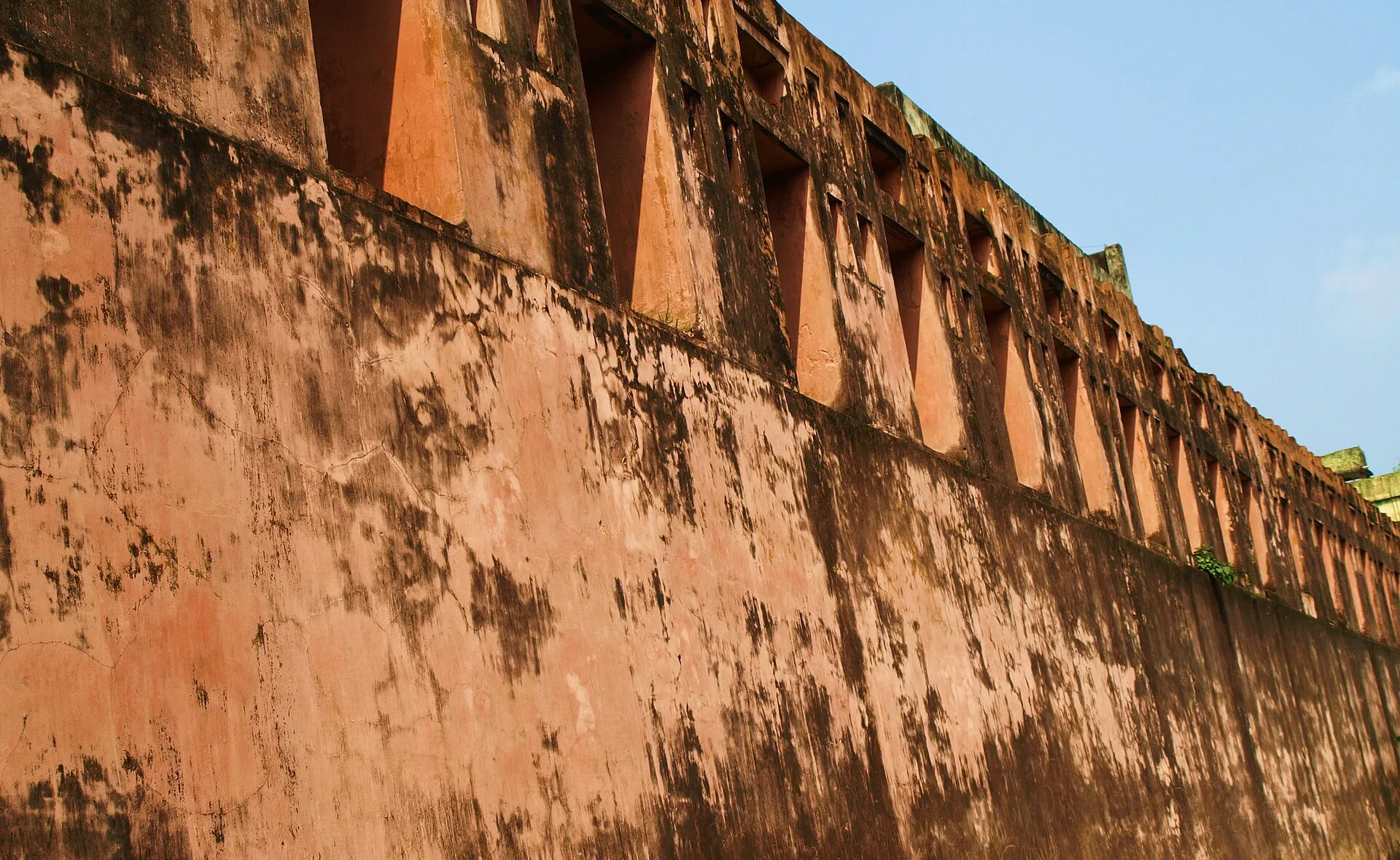 Photo: Shmunmun / CC BY-SA 3.0
Yes, for most visitors and most of the country, provided you plan. As of October 2026 the US State Department rates Bangladesh at Level 2 ("Exercise Increased Caution"), Canada and Australia advise a high degree of caution, and the UK warns against travel only to the Chittagong Hill Tracts. The risks most likely to affect a well-organised traveller are traffic, street crime, protests and mosquito-borne illness. Terrorism is a genuine threat but a much less likely one. Below you will find what each government says, the risks ranked honestly, and what actually reduces them.
Facts checked 22 October 2026. Advisories change at short notice, so read your own government's latest advice before you travel.
The short answer
- Most of the country: travel with sensible precautions. None of the four governments we checked advises against Dhaka, Chattogram, Cox's Bazar, Sylhet or the Sundarbans.
- The exception: the Chittagong Hill Tracts (Bandarban, Rangamati and Khagrachhari).
- Extra care: the Rohingya camp areas of Ukhia and Teknaf in southern Cox's Bazar district, and land close to the Myanmar and India borders.
- The everyday risks that matter most: roads, snatch theft, strikes, dengue, and food and water hygiene.
What the official travel advisories say (October 2026)
| Government | Bangladesh overall | Chittagong Hill Tracts | Latest change we checked |
|---|---|---|---|
| UK (FCDO) | No country-wide warning; detailed advice on terrorism, unrest and crime | Advise against all but essential travel | Page updated 22 October 2026 |
| United States | Level 2: Exercise Increased Caution | Level 4: Do Not Travel | Issued 30 July 2026, lowered from Level 3 |
| Canada | Exercise a high degree of caution | Avoid all travel | Updated 14 October 2026 |
| Australia (Smartraveller) | Exercise a high degree of caution | Reconsider your need to travel | Overall level lowered from "reconsider" (reported April 2026) |
The trend in 2026 has been positive. The US moved Bangladesh from Level 3 to Level 2 on 30 July, and Australia lowered its overall advice earlier in the year. A general election on 12 February 2026 returned an elected government after the interim administration that followed the July–August 2024 uprising.
The detail still deserves your attention. The UK's Foreign, Commonwealth & Development Office (FCDO) says terrorists are "very likely to try to carry out attacks in Bangladesh", that rallies can turn violent quickly, and that violent crime has reportedly risen since 2024. Its October 2026 advice also flags two practical issues: energy and fuel shortages, with limits on fuel sales that may delay road journeys, and flight disruption caused by escalation in the Middle East, which matters if you connect through a Gulf hub.
Insider tip: Read at least two governments' advice, not just your own. They draw on similar information but update at different times, and Canada's page is unusually specific about what to do during a general strike.
The real risks, ranked by how likely they are to affect you
This ranking is our editorial judgement, assuming the kind of trip most readers take: international hotels, private transfers and guided sightseeing.
1. Road safety
Traffic is the risk you will meet every day. The FCDO describes road accidents as common, blaming poor driving standards and unroadworthy vehicles, and says driving at night is especially dangerous, with a risk of robbery on intercity routes after dark. Canada notes that buses, trains and ferries have weak safety standards, and the FCDO warns that ferries can be dangerously overcrowded around religious holidays.
What helps: a hotel car or a reputable driver for long journeys, daylight travel only, seat belts wherever they are fitted, and domestic flights for the longer hops such as Dhaka to Cox's Bazar or Sylhet. Keep cycle rickshaws for short rides on quiet streets; the FCDO points out that they offer little protection in an accident on main roads.
2. Demonstrations, blockades and hartals
Protests, road blockades and hartals (general strikes) can be called at short notice. The FCDO warns that rallies can turn violent quickly and that hartals can involve arson and vandalism. Canada adds that strikes can shut down businesses and transport, including in the diplomatic areas.
Canada's advice for a hartal day is to avoid travelling within Dhaka outside the Baridhara and Banani areas, and to avoid all travel outside Dhaka. It also suggests watching for crowds on Friday afternoons. Blockades are not only political: in October 2026 a road blockade by local groups led the Rangamati administration to close Sajek Valley to tourists for four days.
What helps: follow local news, keep a spare day in your itinerary, and never stop to watch a demonstration.
3. Petty and street crime
The FCDO says violent crime has reportedly increased since the 2024 uprising and that criminal gangs operate in Dhaka and other cities. For visitors the usual problem is snatch theft: thieves often work in pairs on motorbikes or in CNG auto-rickshaws. Dhaka and Sylhet airports carry their own risks, including theft of bags and passports, harassment and taxi overcharging.
What helps: keep your phone out of sight on the street, leave expensive watches and jewellery at home, carry little cash, keep your passport in the hotel safe with a copy on you, and arrange your airport transfer in advance. Our Dhaka airport guide covers arrival step by step.
4. Harassment, especially of women
Unwanted attention is common, and the FCDO warns of a risk of sexual assault, including against foreign women. We cover practical advice in the section for women below.
5. Health
- Dengue: the FCDO says cases are increasing, including in Dhaka, and peak in the May–September rains. The UK's TravelHealthPro service recorded 114,251 cases and 352 deaths in 2026 by 19 October. The mosquitoes bite by day: use repellent (the US CDC suggests at least 20% DEET), cover up and sleep in air-conditioned rooms.
- Food and water: UK and US health authorities recommend hepatitis A and typhoid vaccines for most travellers. Drink bottled or filtered water and favour freshly cooked food.
- Measles: a large outbreak in 2026 passed 23,000 confirmed cases by 18 October, so make sure your MMR vaccination is up to date.
- Malaria: UK guidance rates the risk as high in the Hill Tracts districts, where antimalarials are advised, and very low elsewhere. The US CDC lists transmission in a wider band of districts, including Chattogram, Cox's Bazar, Sylhet and Moulvibazar, but none in Dhaka. Ask a travel clinic which applies to your route.
- Nipah virus: avoid raw date palm sap, a winter delicacy. The WHO advises that freshly collected date palm juice should be boiled, and one fatal case was reported in February 2026.
- Air quality: the FCDO warns of severe air pollution, especially from November to March.
- Medical care: the FCDO calls medical facilities "poor", and Canada says serious cases may need evacuation to Singapore or Thailand, often with payment up front.
6. Natural hazards
The monsoon runs from June to September (Canada says into October), bringing floods that can cut roads at little notice; the FCDO also highlights a pre-monsoon flood risk around Sylhet. Cyclones strike the coast, mostly in the early summer and late monsoon. March to May is hot, with maximum temperatures of 38–41°C and April usually the hottest month. The FCDO notes that around half the country, including Sylhet and Moulvibazar, is at high earthquake risk, and Dhaka at moderate risk.
What helps: travel between November and February if you can (our best time to visit guide goes season by season), and follow the Bangladesh Meteorological Department and the Flood Forecasting and Warning Centre during the rains.
7. Terrorism, in context
The FCDO's assessment is blunt: terrorists are "very likely" to try to carry out attacks, and possible targets include public transport, restaurants, cafés, religious buildings and political rallies. The deadliest attack on foreigners came in July 2016, when gunmen stormed a café in Gulshan and killed 20 hostages, 17 of them foreign nationals.
What helps: stay alert in crowded places, avoid large gatherings, and take security instructions seriously. Security is one of the criteria in how we rate hotels.
Areas that need extra care
The Chittagong Hill Tracts
The three hill districts of Bandarban, Rangamati and Khagrachhari carry the strongest warnings: against all but essential travel (UK), Level 4 (US), avoid all travel (Canada) and reconsider your need to travel (Australia). Canada cites "a serious risk of politically motivated violence, kidnapping and sporadic ethnic clashes". Foreigners need permission from the district administrations, and closures happen at short notice. Read our Chittagong Hill Tracts travel guide before you consider a trip.
Ukhia and Teknaf, south of Cox's Bazar
These subdistricts host the Rohingya refugee camps. The FCDO reports regular insecurity, protests and violence there, and says Teknaf has the highest level of drug-related gang violence in Bangladesh, although it sees no sign that foreigners are being targeted. You may need permission to visit, and any aid work should go through a recognised humanitarian agency. The beach resorts of Cox's Bazar town and Inani lie outside this area; see our Cox's Bazar luxury travel guide.
Border areas
The FCDO warns of fighting in Myanmar close to the border, a situation that "may deteriorate at short notice". On the India border it advises "particular care", citing deaths of people crossing illegally and occasional exchanges of fire between border guards. Border-side sights such as Jaflong near Sylhet draw many day-trippers; stay in the main tourist areas and follow Border Guard Bangladesh instructions.
Region by region
| Region | Advisory status (October 2026) | Our practical take |
|---|---|---|
| Dhaka: Gulshan, Banani, Baridhara | No regional warning | The best-prepared base; on strike days Canada advises staying within Baridhara and Banani |
| Chattogram city | Outside the UK's Hill Tracts warning | Port and business city; normal precautions |
| Cox's Bazar town, Marine Drive, Inani | No regional warning | Beach resorts; don't stray south towards the camps |
| Ukhia and Teknaf | UK: caution, permission may be needed | Only with a recognised humanitarian organisation |
| Sylhet and Sreemangal | No regional warning; flood and earthquake risk noted | Excellent outside the monsoon; care at border sights |
| Sundarbans | No regional warning | With a licensed operator only; closed to all visitors 1 June–31 August |
| Chittagong Hill Tracts | UK: all but essential; US: Level 4; Canada: avoid all travel | Only with permits, a registered guide and insurance that covers it |
| Myanmar and India border strips | UK: particular care | Stick to established sights |
How luxury travellers reduce the risk
- Book your airport pick-up through your hotel. It removes touts, haggling and unlicensed taxis at the moment you are most tired.
- Base yourself in Gulshan, Banani or Baridhara. These diplomatic and expatriate districts are home to many international hotels. Browse hotels in Gulshan, Banani and Baridhara, or read where to stay in Dhaka.
- Use hotel cars or a trusted driver for day trips, and plan journeys to finish before dark. For long distances, fly.
- Travel with licensed guides and operators. In the Hill Tracts a registered guide is a condition of your permit, and the Sundarbans require Forest Department passes, which licensed operators arrange.
- Keep a low profile. Dress modestly, leave valuables in the safe and walk away from any rally.
- Use ride-hailing carefully. The FCDO notes that Uber operates, mostly for cash; check the number plate and driver before you get in, and share your trip with someone.
- Build slack into your plans for strikes, floods and fuel-related delays, especially before an international flight.
- Sign up for your government's alerts. The FCDO offers email updates, and the US (STEP) and Canada (ROCA) run traveller registration schemes.
Insider tip: Ask the concierge each morning whether any strike, blockade or large rally is planned, and route your day around it. Carry the hotel's card with its address in Bangla to show drivers.
Advice for women, LGBT+ travellers, solo travellers and dual nationals
Women
The FCDO warns of a risk of sexual assault, including against foreign women, and says women often face harassment. Canada notes that solo women may face harassment and verbal abuse, and advises against travelling alone, especially at night. In practice: cover shoulders and legs in public (the FCDO's guidance for women), sit in the back of cars, avoid isolated places after dark, keep your phone charged, and ask your hotel or operator for a female guide if you would feel more comfortable.
LGBT+ travellers
Same-sex sexual activity is illegal in Bangladesh, and Canada notes that convictions can carry life imprisonment. Public displays of affection are frowned upon for everyone, and discretion is strongly advised, including on dating apps.
Solo travellers
The FCDO says public transport users are most vulnerable at night and when alone, so solo travellers are better served by hotel transport, daytime travel and a guide beyond the city.
Dual nationals and diaspora visitors
The FCDO notes that dual nationals of Bangladeshi origin may be treated as Bangladeshi citizens, which can limit the consular help your other country can give, and that the British High Commission cannot help with land or property disputes. Bangladesh Police's Expatriates Help Cell takes complaints from expatriates (contact details below).
Common scams and how to avoid them
- Airport touts and "porters". The FCDO and Canada both warn about unsolicited offers of help with bags and transport. Decline politely and head for your pre-booked driver.
- Unlicensed taxis and inflated fares. Pre-book, or use a verified app.
- Card skimming and ATM fraud. Canada reports both, especially in Dhaka. Use ATMs inside banks or hotels and keep your card in sight.
- Mismatched ride-hail cars. Check the plate, car and driver against the app before getting in.
- Counterfeit alcohol. Alcohol is legal for foreigners only in licensed venues (you may need a liquor permit), and the FCDO warns that black-market drinks have caused deaths from methanol poisoning. Drink only in licensed hotel bars.
- Unofficial Hill Tracts trips. Bandarban's district administration publishes its own list of registered guides; anyone offering to take you without official permission puts you at legal and physical risk.
The FCDO also stresses that penalties for drug offences are severe, and some carry the death penalty.
Emergency numbers and where to get help
| Service | Number or contact |
|---|---|
| Police, fire and ambulance | 999 (press 2 for English; works from a Bangladeshi SIM or landline) |
| Fire service hotline | 102 |
| Government information and services | 333 |
| Women and child abuse helpline | 109 |
| Bangladesh Police Expatriates Help Cell | +880 1320 001435 · expatriatehelp@police.gov.bd |
The English option on 999 has operated since January 2025, with English-speaking desks staffed around the clock. Bangladesh Police also runs a Tourist Police unit, tasked with protecting visitors and tourist sites, which patrols places such as Cox's Bazar beach; in an emergency, still call 999.
For medical emergencies in Dhaka, the Australian High Commission's information sheet (September 2024) lists private hospitals including Evercare Hospital in Bashundhara, United Hospital in Gulshan and Square Hospital in Panthapath. Ask your hotel which one it uses, and save your embassy's emergency number in your phone before you land.
Insider tip: Buy a Bangladeshi SIM at the airport and save these numbers before you leave the terminal.
Travel insurance
Buy a policy that covers medical treatment and evacuation, because the most serious cases may be flown to Singapore or Thailand. Check the clauses on government advice: the FCDO states that travel insurance could be invalidated if you travel against its advice, which for UK travellers currently means the Chittagong Hill Tracts. Declare activities such as trekking, and keep the insurer's 24-hour assistance number with your passport copy.
The bottom line
Bangladesh asks for more planning than better-known Asian destinations, but most risks shrink with good choices: an international hotel in a safe district, pre-booked cars, daylight travel, licensed guides and a flexible itinerary. Save the Hill Tracts for when you have permits, insurance and an experienced operator, and keep an eye on strikes and the weather.
Next steps:
- Sort your entry paperwork with our Bangladesh visa guide.
- Plan your arrival with the Dhaka airport guide.
- Choose a base from our 5-star hotels in Dhaka.
- Pick your season with the best time to visit Bangladesh.
- Travelling for work? Read business travel in Dhaka.
Good to know
Frequently asked questions
Is Bangladesh safe to visit right now?
Is Dhaka safe for foreign visitors?
Is Bangladesh safe for solo female travellers?
What is the emergency number in Bangladesh?
Do I need travel insurance for Bangladesh?
Are the Rohingya camps near Cox's Bazar dangerous for tourists?
Sources we checked (20)
- https://www.gov.uk/foreign-travel-advice/bangladesh
- https://www.gov.uk/foreign-travel-advice/bangladesh/safety-and-security
- https://www.gov.uk/foreign-travel-advice/bangladesh/regional-risks
- https://www.gov.uk/foreign-travel-advice/bangladesh/health
- https://travel.state.gov/en/international-travel/travel-advisories/bangladesh.html
- https://www.bssnews.net/news/410422
- https://travel.gc.ca/destinations/bangladesh
- https://www.smartraveller.gov.au/destinations/asia/bangladesh
- https://traveldaily.com.au/?p=423138
- https://travelhealthpro.org.uk/country/22/bangladesh
- https://wwwnc.cdc.gov/travel/destinations/traveler/none/bangladesh
- https://www.who.int/news-room/fact-sheets/detail/nipah-virus
- https://unb.com.bd/category/Bangladesh/foreigners-in-bangladesh-can-now-access-emergency-help-via-999-in-english-igp/153428
- https://www.police.gov.bd/en/expatriate_help_cell
- https://www.police.gov.bd/en/units_tourist_police
- https://touristpolice.gov.bd/
- https://bangladesh.embassy.gov.au/files/daca/09102024%20Information%20for%20Australians%20in%20Bangladesh%20-%20Updated%2030%20September%202024.pdf
- https://en.wikipedia.org/wiki/July_2016_Dhaka_attack
- https://en.wikipedia.org/wiki/Climate_of_Bangladesh
- https://www.dhakatribune.com/bangladesh/nation/421880/sajek-valley-closed-indefinitely-over-security
Rules, prices and timings change — we date our checks and update guides regularly. Spot something out of date? Tell our editors.