Chittagong Hill Tracts Travel Guide: Bandarban, Rangamati and Sajek (2026)
Bangladesh's most dramatic landscape is also its most restricted. The advisory picture, the permit process for foreigners and what Bandarban, Rangamati and Sajek offer, as of October 2026.
By Luxury Bangladesh editors 11 min read
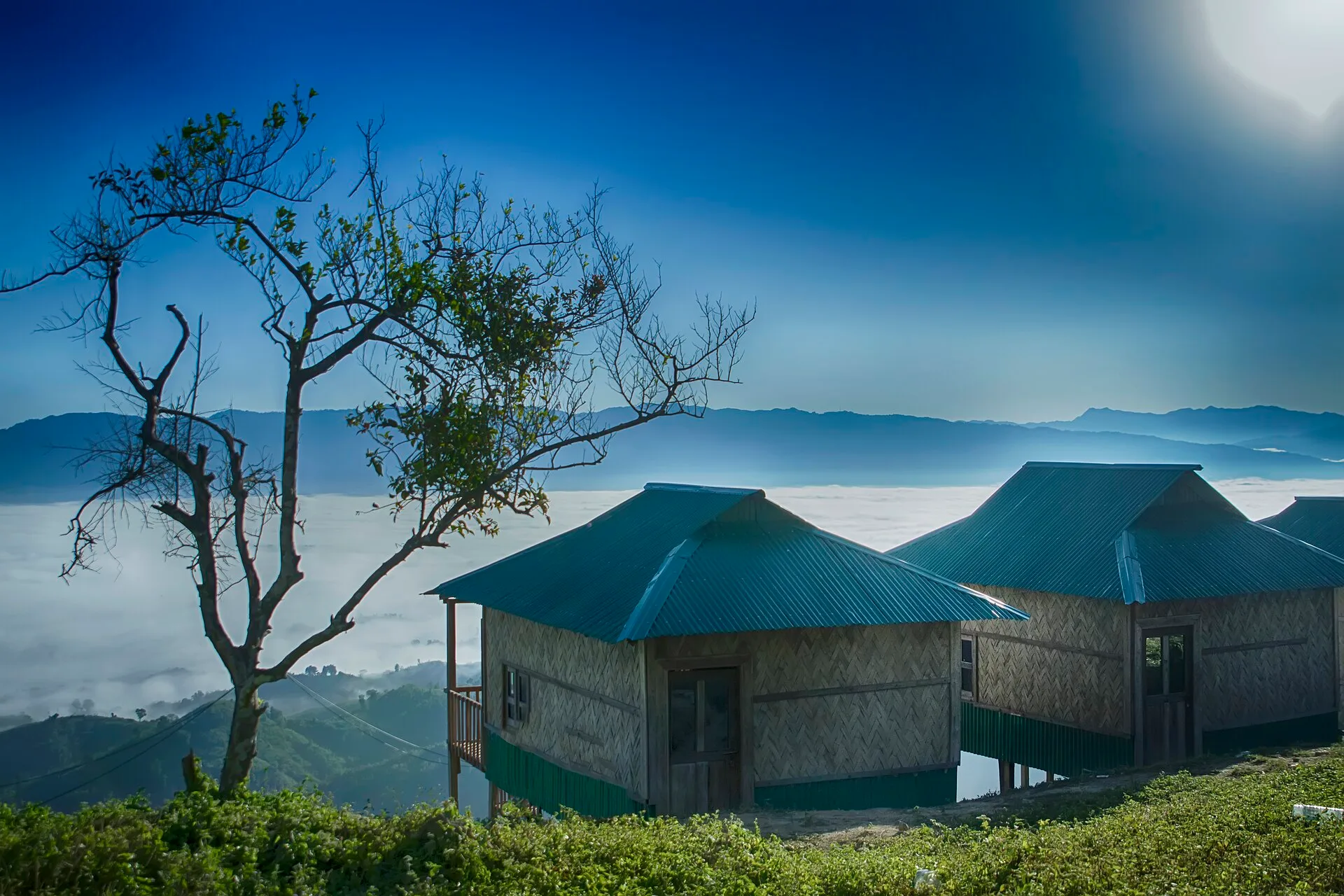 Photo: G.B. G.Son / CC BY-SA 4.0
The Chittagong Hill Tracts are the three hill districts of Bandarban, Rangamati and Khagrachhari in Bangladesh's south-east: forested ridges, the vast Kaptai Lake, Buddhist temples and the home of around a dozen Indigenous peoples. They are also the one region that every major Western government warns against. Foreigners can visit, but only with an official permit, a registered guide or operator, insurance that covers the trip and a clear view of the risks.
Facts checked 22 October 2026. Conditions in the hills change quickly; confirm the latest position with your operator and the district administration before you travel.
Read this first: the advisory position (October 2026)
| Government | Advice for the Hill Tracts | Main reasons given |
|---|---|---|
| UK (FCDO) | Advise against all but essential travel | Regular reports of violence and other crime, especially in remote areas |
| United States | Level 4: Do Not Travel | Unrest, crime, terrorism and kidnapping |
| Canada | Avoid all travel | "A serious risk of politically motivated violence, kidnapping and sporadic ethnic clashes" |
| Australia | Reconsider your need to travel | Kidnapping, politically motivated violence and clashes between rival groups |
Two consequences follow. First, insurance: the FCDO states that travel insurance could be invalidated if you travel against its advice, and many policies exclude areas under warnings like these, so get written confirmation of cover before you pay a deposit. Second, help is far away: the FCDO describes medical facilities across Bangladesh as poor, and hill roads are slow.
The warnings reflect real events. On 29 September 2026 armed groups linked to rival regional parties exchanged fire near Sajek, and a child was injured. On 11 October a road blockade by local groups led the Rangamati administration to close Sajek to tourists; it reopened on 16 October, and on 21 October the same groups announced a fresh blockade from 22 October and urged visitors to leave. Canada describes violent clashes between communities organised under opposing political groups, competing for control of particular areas. Visitors can be caught in crossfire or stranded by roadblocks.
Insider tip: If your insurer will not cover the Hill Tracts, you can still have a hill-country trip. The tea gardens and forests of Sreemangal carry no regional warning; see our Sreemangal and Sylhet tea country guide.
How permission works for foreign visitors
All three districts now run online application systems for foreign passport holders. The UK and Canada both say you must give the authorities at least 10 days' notice of a visit; the FCDO names the Chittagong Divisional Commissioner's Office (031 615 247) and the Chittagong Deputy Commissioner's Office (031 619 996) as contacts. In practice, a licensed operator files the applications, books the registered guide and plans a route the administration will approve.
Bandarban
The district administration's foreign tourist portal, fbta.gov.bd, asks for scans of your passport, visa and hotel reservation, a day-by-day schedule and a guide chosen from its official list of registered guides. You download the pass once it is approved. The published terms are strict. You must:
- inform the police and register at the Raicha checkpost on arrival and departure;
- go only to the places listed in your schedule, with a police escort for anywhere else, if permission is granted;
- stay with your appointed guide at all times;
- never stay in local people's homes;
- not visit ethnic minority areas, hold meetings or make donations without prior permission;
- return to your booked hotel before dusk.
Bandarban's FAQ adds that a single permission allows a stay of up to two months, and that Israeli citizens cannot apply.
Rangamati, including Sajek Valley
Rangamati's foreigner permission system issues permission from the Deputy Commissioner; applications can also go through the Ministry of Home Affairs or Ministry of Foreign Affairs. You need a passport scan, a colour passport photograph and your signature. Stays of up to two months at a stretch are possible at the administration's discretion, and Israeli citizens cannot apply.
Khagrachhari
Khagrachhari's foreigner permission system asks you to apply at least seven days before arrival, and its form asks for your tour operator.
| District | Where to apply | Key conditions |
|---|---|---|
| Bandarban | fbta.gov.bd | Passport, visa and hotel booking; registered guide; register at Raicha checkpost; back at hotel by dusk |
| Rangamati (incl. Sajek) | foreigner.rangamati.gov.bd | Passport scan, photo, signature; up to two months per permission |
| Khagrachhari | foreigner.dc-khagrachhari.gov.bd | Apply at least 7 days ahead; form asks for your tour operator |
Insider tip: Sajek lies in Rangamati district, but the only practical road climbs from Khagrachhari via Dighinala. Ask your operator whether your route needs clearance from both administrations, and carry printed copies of every permission.
On the road, expect army and police checkposts that record visitors' details. Keep passport copies handy, follow instructions, and do not photograph checkposts or security personnel.
Recent closures and what they mean for planning
- Sajek, July 2026: closed by the Rangamati administration from 7 to 15 July because heavy rain raised the risk of landslides.
- Bandarban, July 2026: the district closed all its tourist destinations until 10 July for the same reason.
- Sajek, October 2026: closed from the evening of 11 October because of a road blockade, reopened on 16 October, with a new blockade announced from 22 October.
- Bandarban, June 2025: routes in Ruma and Thanchi upazilas, including Boga Lake, Munlai, Tindu and Tamatungi, reopened after long closures linked to security operations against the Kuki-Chin National Front, an armed group. Officials said other sites would reopen gradually.
The lesson is to build in buffer days, keep a fallback plan in Chattogram or Cox's Bazar, and choose an operator who will cancel without argument if the situation changes.
Bandarban: the high country
Bandarban has the country's highest hills and the most varied sightseeing. The district town sits on the Sangu River, about two hours by road from Chattogram and three from Cox's Bazar.
- Buddha Dhatu Jadi (the Golden Temple): a Theravada Buddhist temple in Arakanese style on a 60-metre hill at Balaghata, completed in 2000. It enshrines relics of the Buddha and houses the second-largest Buddha statue in Bangladesh. Shoes and shorts are not allowed in the temple precincts.
- Nilgiri: an army-run hilltop resort on the Bandarban–Thanchi road, roughly 46 km from town, known for dawn views over cloud-filled valleys.
- Nilachal and Meghla: a viewpoint near Meghla developed by the district administration, and Meghla itself, a district-run park with a hanging bridge and a small zoo about 4 km from town on the Keranihat road.
- The Sangu River: flat-bottomed boats run from the town's ghats, from an hour's ride to a full day. Low water in the dry season can ground them.
- Boga Lake: a hill lake in Ruma upazila at about 380 metres (1,246 ft), beside a Bawm village. Its access route reopened in June 2025.
- Thanchi, Remakri and Nafakhum: the classic upstream adventure. Boats climb the Sangu from Thanchi to Tindu and on to Remakri, roughly three hours for each stage, and Nafakhum falls on the Remakri river are a further walk of about two hours.
Be realistic about that last trip. Bandarban's conditions forbid staying in local homes and require you back at your booked hotel before dusk, which rules out the usual multi-day Remakri itinerary for most foreign visitors unless the administration approves a specific plan.
Bandarban's largest Indigenous communities are the Marma and Mro, alongside Tripura, Tanchangya, Bawm and others. See all places to visit in Bandarban.
Rangamati: Kaptai Lake country
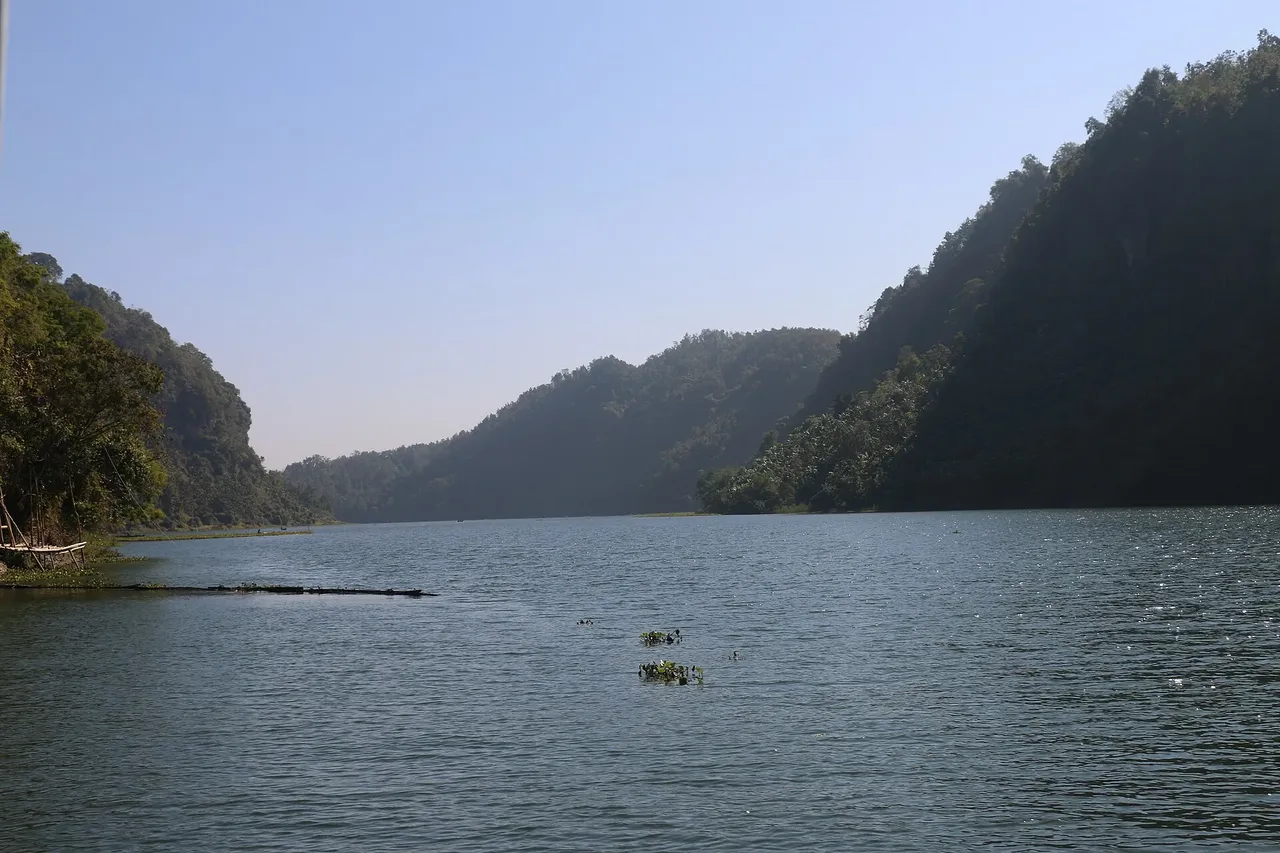
Rangamati is the gentlest of the three districts: a town on the shores of Kaptai Lake, the largest artificial lake in Bangladesh, created when the Kaptai Dam on the Karnaphuli River was completed in the early 1960s. The reservoir flooded farmland and displaced an estimated 100,000 people, a history that still matters to the Chakma, the district's largest community.
- Boat trips on Kaptai Lake: the main reason to come. Hire a boat for a half or full day among forested islands and lakeside villages.
- The hanging bridge: Rangamati's landmark, spanning an arm of the lake.
- Rajban Vihara: a large Buddhist monastery in Rangamati; the Chakma, like the Marma, are mainly Buddhist. Dress modestly and remove shoes where asked.
- Shuvolong: a group of waterfalls in Barkal upazila, about 25 km from town by speedboat or motor launch, at their fullest during and just after the monsoon.
- Kaptai National Park: protected forest of about 5,465 hectares near the dam town of Kaptai, with monkeys and many bird species.
More ideas: places to visit in Rangamati.
Sajek Valley
Sajek is a ridge-top settlement in Baghaichhari upazila of Rangamati district, close to the Mizoram border, at around 1,800 feet (550 m). It is reached from Khagrachhari town, roughly 60–70 km away via Dighinala, usually in hired four-wheel-drive vehicles known locally as chander gari. The road, built by the Bangladesh Army, has steep climbs and descents.
The draw is sunrise above a sea of cloud, with Ruilui Para at the start of the ridge and Konglak Para on the summit at its far end. Lushai, Pankho, Tripura and other communities live along the ridge. Resort building has been rapid, with 83 registered resorts counted in 2020, and a fire in February 2025 destroyed 32 resorts and cottages.
Sajek has also been the most disrupted part of the Hill Tracts in 2026, with closures in July and October. Check its status the day before you travel.
Khagrachhari
Khagrachhari is mostly a gateway to Sajek, but it has sights of its own: the Alutila cave, for which the district administration sells entry tickets online; the Richhang (Risang) waterfall; and the hanging bridge listed among the district's top places. The Mong Circle's Rajbari and the Dighinala tank are its notable heritage sites. See places to visit in Khagrachhari.
The three areas compared
| Bandarban | Rangamati | Sajek Valley | |
|---|---|---|---|
| Access | About 2 hours by road from Chattogram, 3 from Cox's Bazar | By road from Chattogram; boats on the lake | 60–70 km from Khagrachhari town by four-wheel drive |
| Highlights | Golden Temple, Nilgiri, Sangu boat trips, Boga Lake | Kaptai Lake, hanging bridge, Rajban Vihara, Shuvolong | Cloud views at sunrise, Konglak Para |
| Permission | fbta.gov.bd; registered guide; back by dusk | foreigner.rangamati.gov.bd | Rangamati permission; route via Khagrachhari |
| 2025–26 disruption | Ruma and Thanchi reopened June 2025; weather closure July 2026 | Check locally before travel | Closed July and October 2026; blockade from 22 October |
| Best for | Viewpoints, temples, river trips | Lake trips, Chakma culture | Sunrise and ridge-top scenery |
Travelling respectfully among the hill peoples
About half of the Hill Tracts' 1.84 million people belong to Indigenous groups, according to the 2022 census, which lists eleven: Chakma, Marma, Tripura, Mro, Tanchangya, Bawm, Khyang, Khumi, Chak, Pankho and Lushai. Most of the rest are Bengali. Collectively the hill peoples are often called Pahari ("hill people"), and many use Jumma, a name rooted in jhum shifting cultivation that became a shared political identity. Community organisations often use "Indigenous" or Adivasi, a word official usage in Bangladesh has tended to avoid in favour of terms such as "ethnic minorities". The simplest approach is to follow the lead of the people you meet.
- Remember the history. A peace accord signed on 2 December 1997 was meant to end two decades of armed insurgency, but land, the settlement of Bengali families in the hills from the late 1970s, and security remain sensitive. Avoid political debates.
- Ask before photographing people, especially women and children, and inside temples.
- Dress modestly and remove shoes at Buddhist sites.
- Hire local. Use guides from the official registers and buy weaving and crafts directly from the makers.
- Follow your permit to the letter. Its limits on meetings, donations and visits to villages exist for everyone's safety.
How to get there
Fly to Chattogram's Shah Amanat International Airport, then continue by road with your operator's vehicle. Bandarban is about two hours from Chattogram; Rangamati and Khagrachhari are also reached by road, and Sajek is a further drive beyond Khagrachhari. The FCDO warns that driving at night is especially dangerous, so plan every transfer to arrive before dark, which Bandarban's permit rules require anyway.
A licensed operator is not optional here. It handles the permits, provides the registered guide, knows the checkpost routine and will hear about closures and blockades long before you do.
Where to stay
We know of no international-brand hotel in the three hill districts. The choice is between:
- State-run Parjatan properties: Parjatan Motel Bandarban at Meghla, Parjatan Holiday Complex in Rangamati and Parjatan Motel Khagrachari, all bookable at hotels.gov.bd.
- Army-run viewpoint resorts, such as the one at Nilgiri.
- Private hill resorts, from simple cottages to more comfortable lodges, most densely at Sajek. Rangamati's administration lists options on its visitor information page.
Your Bandarban permit ties you to the hotel you declared, so book that first.
For genuine luxury, base yourself in Chattogram or Cox's Bazar and make shorter, permitted trips into the hills. Browse hotels in Chattogram and hotels in Cox's Bazar, or read our Cox's Bazar luxury travel guide; Bandarban town is about three hours from Cox's Bazar by road.
Insider tip: A base on the coast also gives you a fallback. If a hill road closes, you lose a day trip rather than a whole holiday.
The best time to go
Go between October and March. Bangladesh's winter, December to February, is mild and cool, and October to November is a pleasant post-monsoon autumn. March to May turns hot, with maximum temperatures of 38–41°C. The monsoon from June to September brings about 80% of the year's rain, and with it landslides and road closures in the hills, as July 2026 showed.
Health: UK guidance rates the malaria risk as high in all three Hill Tracts districts and recommends antimalarials; Chattogram city is not included. Dengue is a risk nationwide. See a travel clinic before you go, and read our season-by-season guide to the best time to visit Bangladesh.
Next steps
- Weigh the risks first with our guide to whether Bangladesh is safe for tourists.
- Check your entry paperwork with the Bangladesh visa guide.
- Read the district guides for Bandarban, Rangamati and Khagrachhari.
- Plan a comfortable base with our Cox's Bazar luxury travel guide.
- Prefer hills without permits? Try Sreemangal's tea country.
Good to know
Frequently asked questions
Can foreigners visit the Chittagong Hill Tracts?
How far ahead do I need to apply for a Hill Tracts permit?
Is Sajek Valley open to tourists?
Which is better for a first visit, Bandarban or Rangamati?
When is the best time to visit the Hill Tracts?
Do I need malaria tablets for the Hill Tracts?
Sources we checked (37)
- https://www.gov.uk/foreign-travel-advice/bangladesh
- https://www.gov.uk/foreign-travel-advice/bangladesh/regional-risks
- https://travel.state.gov/en/international-travel/travel-advisories/bangladesh.html
- https://travel.gc.ca/destinations/bangladesh
- https://www.smartraveller.gov.au/destinations/asia/bangladesh
- http://fbta.gov.bd/
- https://foreigner.rangamati.gov.bd/faq
- https://foreigner.rangamati.gov.bd/useful-info
- https://foreigner.dc-khagrachhari.gov.bd/
- https://www.dhakatribune.com/bangladesh/nation/420938/child-injured-in-gunfight-between-two-groups-in
- https://www.dhakatribune.com/bangladesh/nation/421880/sajek-valley-closed-indefinitely-over-security
- https://www.dhakatribune.com/bangladesh/422215/sajek-reopens-to-tourists-road-blockade-suspended
- https://www.dhakatribune.com/bangladesh/422251/sajek-reopens-to-tourists-after-four-days-800
- https://www.dhakatribune.com/bangladesh/422616/sajek-strike-called-again-tourists-urged-to-leave
- https://www.dhakatribune.com/bangladesh/414573/relentless-rains-landslide-threat-halt-sajek
- https://en.ittefaq.com.bd/17368/ban-on-tourists-visit-to-sajek-valley-lifted
- https://unb.com.bd/category/Bangladesh/tourism-restrictions-lifted-in-parts-of-bandarban-nearly-after-a-year/161381
- https://en.bonikbarta.com/bangladesh/wINzZWOMX5ipIqD9
- https://en.wikipedia.org/wiki/Chittagong_Hill_Tracts
- https://en.wikipedia.org/wiki/Jumma_people
- https://en.wikipedia.org/wiki/Indigenous_peoples_in_Bangladesh
- https://en.banglapedia.org/index.php/Chittagong_Hill_Tracts
- https://en.wikipedia.org/wiki/Bandarban_District
- https://en.wikipedia.org/wiki/Rangamati_District
- https://en.wikipedia.org/wiki/Khagrachhari_District
- https://en.wikipedia.org/wiki/Sajek_Valley
- https://en.wikipedia.org/wiki/Kaptai_Lake
- https://en.wikipedia.org/wiki/Boga_Lake_(Bangladesh)
- https://en.wikipedia.org/wiki/Buddha_Dhatu_Jadi
- https://en.wikipedia.org/wiki/Nafakhum
- https://en.banglapedia.org/index.php/Rangamati_District
- https://en.wikivoyage.org/wiki/Bandarban
- https://www.hotels.gov.bd/frontend/hotel/13-motel-bandarban
- https://www.hotels.gov.bd/frontend/hotel/15-holiday-complex-rangamati
- https://www.hotels.gov.bd/frontend/hotel/18-motel-khagrachari
- https://travelhealthpro.org.uk/country/22/bangladesh
- https://en.wikipedia.org/wiki/Climate_of_Bangladesh
Rules, prices and timings change — we date our checks and update guides regularly. Spot something out of date? Tell our editors.