Sreemangal and Sylhet Travel Guide: Tea Estates, Forests and Luxury Resorts
How to plan Bangladesh's tea country: Sreemangal's estates and gibbon forest, Sylhet's swamp forest and border rivers, the best season, and which luxury tea resorts suit you.
By Luxury Bangladesh editors 12 min read
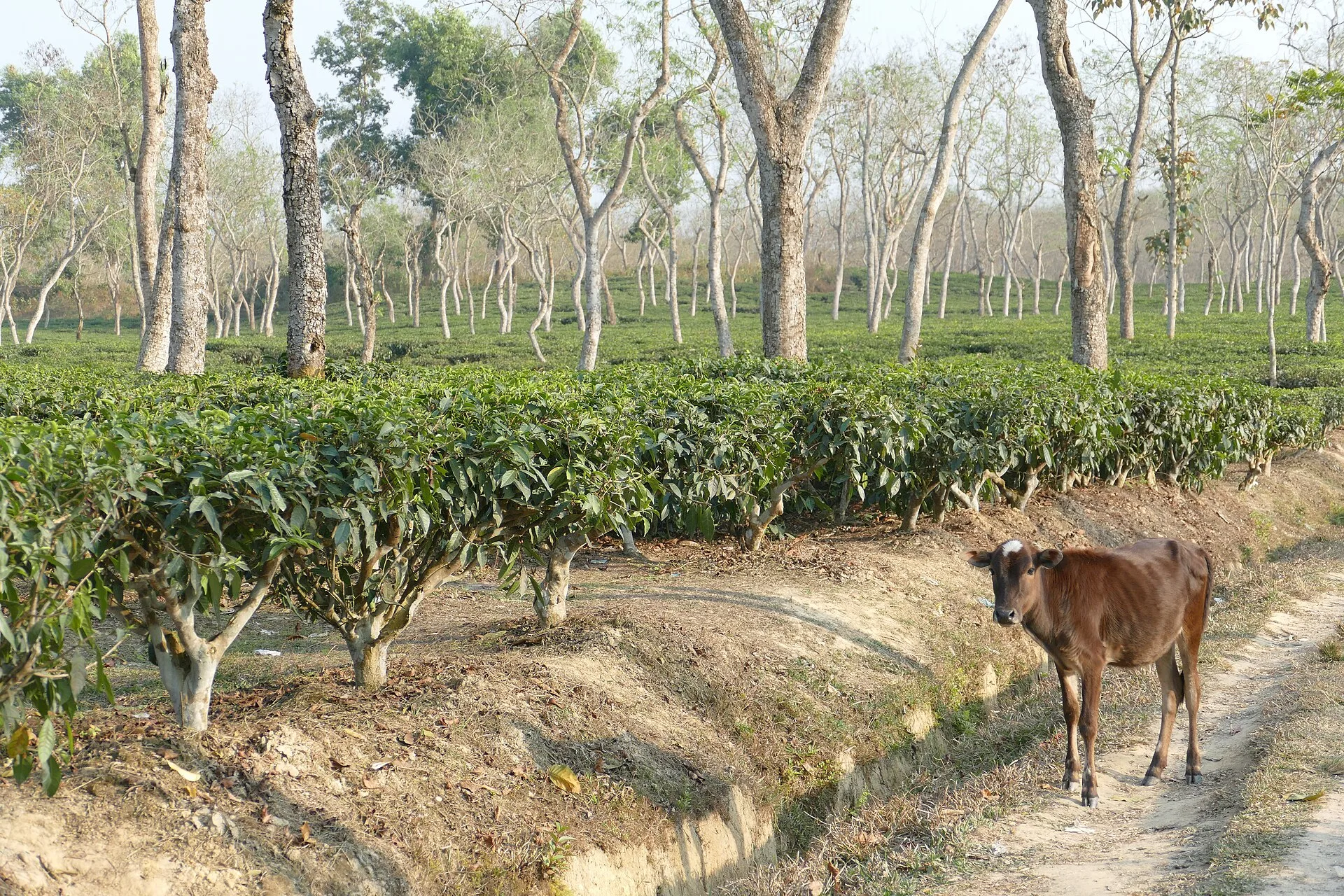 Photo: Kritzolina / CC BY-SA 4.0
Bangladesh's tea country lies in the north-east, in the low hills of Sylhet Division. Base yourself around Sreemangal in Moulvibazar district for the tea estates, Lawachara's gibbon forest and Madhabpur Lake, then move north to Sylhet city for the shrine of Shah Jalal, Ratargul Swamp Forest and the boulder-strewn rivers at Jaflong, Bisnakandi and Lalakhal. Four or five days covers both at a relaxed pace. Go between November and February for dry, easy walking, or in the monsoon if you want flooded forests and wetlands at their most dramatic.
Facts checked October 2026. Access rules, entry fees and resort facilities change, so confirm locally before you travel.
Tea country at a glance
| Sreemangal (Moulvibazar) | Sylhet city and the north | Tanguar Haor (Sunamganj) | |
|---|---|---|---|
| Best for | Tea estates, forest walks, resort stays | Shrines, swamp forest, border rivers | Monsoon boat trips, winter birdlife |
| Key sights | Lawachara, Madhabpur Lake, seven-layer tea | Shah Jalal's shrine, Malnicherra, Ratargul, Jaflong, Bisnakandi, Lalakhal | The haor itself, with the Meghalaya hills on the horizon |
| Suggested nights | 2 | 1–2 | 1 (optional) |
| Getting there | Train or car from Dhaka, about 190 km | Domestic flight to Osmani International Airport, or train | Road to Sunamganj, then boat |
Sreemangal: Bangladesh's tea capital
Sreemangal (often written Srimangal) is an upazila in the south-west of Moulvibazar district, on the border with the Indian state of Tripura, and is widely known as the tea capital of Bangladesh. The Bangladesh Tea Association counts 166 tea estates in the country, the great majority of them in greater Sylhet. The town is also home to the Bangladesh Tea Research Institute, which grew out of a research station set up in 1957 and became an institute in 1973.
Walking the tea estates
The landscape is the reason to come: clipped tea bushes rolling over low hills under shade trees, broken up by pineapple, rubber and lemon plantations. The estates are working farms with their own factories and workers' settlements, so stay on estate roads and ask before entering factory compounds or photographing people at work. A car and driver, stopping where the views open up, or a guided walk arranged by your resort is the easiest way to see them.
Lawachara National Park
Lawachara, in Kamalganj upazila with Sreemangal as the nearest town, was declared a national park on 7 July 1996. It covers 1,250 hectares of semi-evergreen and mixed deciduous forest within the larger West Bhanugach Reserved Forest. The star attraction is the western hoolock gibbon, an ape listed as endangered by the IUCN, whose pairs sing loud duets from the canopy. The park has six non-human primate species in all, including capped langurs, Phayre's leaf monkeys and Bengal slow lorises, and around 246 recorded bird species.
- People: Khasi villages lie within the park boundaries, and Tripuri and Manipuri communities live nearby. Ask before taking photographs.
- Fees: a government circular reported in July 2024 set the foreign visitors' entry fee at Tk 1,000 or the equivalent in US dollars. Fees change, so check at the gate.
- A film footnote: in the winter of 1955 a Hollywood crew shot scenes for Around the World in 80 Days around Sreemangal and in the Lawachara forest, according to The Daily Star.
Insider tip: Arrive as early as the gates allow. The forest is cooler and quieter in the first hours of the day, and a guide who knows where the gibbon families range will make far more difference than a long lens.
Madhabpur Lake
About 16 km from Sreemangal, Madhabpur Lake is a natural lake inside the Madhabpur tea estate, ringed by small, densely planted hills and covered in water lilies in season. It is a calm place to watch the sun go down, and the only confirmed site in Bangladesh for the great white-bellied heron, so bring binoculars and keep your voice down near the water.
Baikka Beel: check before you go
Baikka Beel, a protected wetland east of Hail Haor, used to be a fixture on birdwatching itineraries. In February 2026 The Daily Star reported that it had been officially closed to public access a year earlier to protect fish and birds, and that nearly a third of the wetland had been lost to siltation. Ask your resort about the current position before you drive out, and respect any closure.
Seven-layer tea
Sreemangal is the home of layered "seven-colour" tea, a glass of distinct bands of tea, milk and spice. Romesh Ram Gour, who runs a tea shop in the town, says he devised it: teas brewed at different strengths settle into layers because of their different densities. The recipe is his own, but cinnamon, cloves, lemon and condensed milk are among the flavours associated with it. His Nilkantha (also written Nilkonto) tea cabin is the name most linked with the drink.
Sylhet: shrines, rivers and the Meghalaya hills
Sylhet city is the region's hub, with the main airport and the widest choice of hotels. The famous river landscapes lie north of the city towards the Indian state of Meghalaya, so plan them as day trips.
The shrine of Shah Jalal
Shah Jalal, a Sufi saint who lived from about 1271 to 1346, is associated with the conquest of Sylhet in 1303 and the spread of Islam in the region. His dargah (shrine) in the Dargah Mahalla neighbourhood draws hundreds of visitors a day, and the largest mosque in Sylhet stands at the site. Look out for the "jalali" pigeons, which tradition says descend from a pair given to the saint, and the pond where visitors feed snakehead fish and tortoises. The shrine of his nephew and successor, Shah Paran, is close by. Dress modestly, expect to remove your shoes and follow local guidance on where women may enter.
Malnicherra tea estate
Malnicherra (Malnichhara), a short distance from Osmani International Airport, is regarded as the first commercial tea garden in Bangladesh. The Bangladesh Tea Association dates it to 1854, with commercial production from 1857, though some accounts give an earlier founding year. It is the easiest estate to see if you only have a few hours in Sylhet.
Ratargul Swamp Forest
Ratargul, on the Gowain River in Gowainghat upazila, is a freshwater swamp forest about 26 km from Sylhet. In the rainy season, roughly May to early October, it floods deeply enough for you to glide between the trunks by boat. It covers about 3,325 acres, 504 of which were declared a wildlife sanctuary in 2015. Visitors need permission from the forest office and travel in hired local boats, which your guide or hotel can arrange.
Insider tip: Ratargul only really works when it is flooded. Aim for July to September, go early on a weekday to avoid the Friday and Saturday crowds, and ask your boatman to cut the engine once you are among the trees.
Jaflong, Bisnakandi and Lalakhal
These three border landscapes are why many Bangladeshis visit Sylhet. All sit beneath the hills of Meghalaya, where rivers spill out of India onto beds of stone and gravel.
- Jaflong: about 60 km from Sylhet, roughly two hours by road, on the border with Meghalaya. It is known for its river stones, its views of the hills across the border and as a home of the Khasi people.
- Bisnakandi: about 25 km north of Sylhet city, where layers of the Khasi hills meet and a branch of the Piyain river runs over huge boulders. Reach it by local boat from Hadarpar, or from Pangthumai, a ride of a little over an hour.
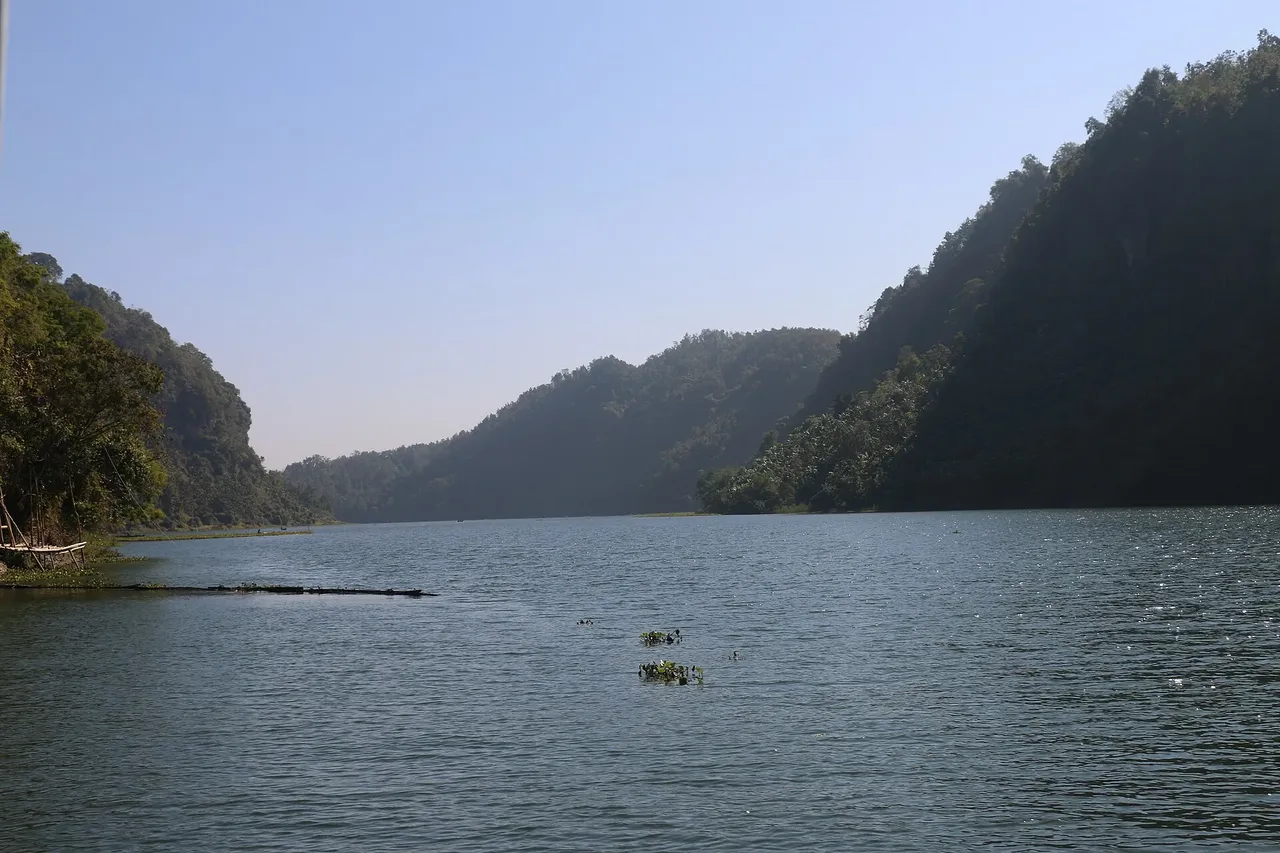
- Lalakhal: a wide channel of the Sharee River in Jaintiapur upazila, near the Tamabil road. Limestone deposits give the water its turquoise colour, and it pairs naturally with a drive towards Jaflong.
Insider tip: Bisnakandi is a working stone quarry. The national tourism board recommends the rainy season and warns that in winter mechanised mining and stone-laden boats and lorries spoil the scene.
The UK government advises taking particular care near the India border, where people crossing illegally have been killed and border guards have occasionally clashed. Stay on the Bangladesh side, follow your guide and do not wade beyond marked areas.
Tanguar Haor
Tanguar Haor, in the Dharmapasha and Tahirpur upazilas of Sunamganj district, is one of the country's great wetlands. It was designated a Ramsar Wetland of International Importance on 10 June 2000, supports more than 140 species of freshwater fish and hosts around 200 types of migratory birds every winter. More than 40,000 people depend on it, so you travel past fishing villages as much as wilderness.
In the monsoon the national tourism board describes the haor as "a sea with strong waves". Boats from Sunamganj take about five hours by engine boat or two by speedboat, and houseboat trips have run on the haor since at least 2021. Choose an operator that provides life jackets and does not overload its boats; the UK government warns of overcrowding and missing safety equipment on river craft.
Where to stay: luxury resorts in tea country
Tea country is one of the best regions in Bangladesh for a resort stay. Most of the leading properties sit in the countryside around Sreemangal and Moulvibazar, with one large resort just over the district line in Habiganj.
| Resort | Location | Style | Standout facilities | Best for |
|---|---|---|---|---|
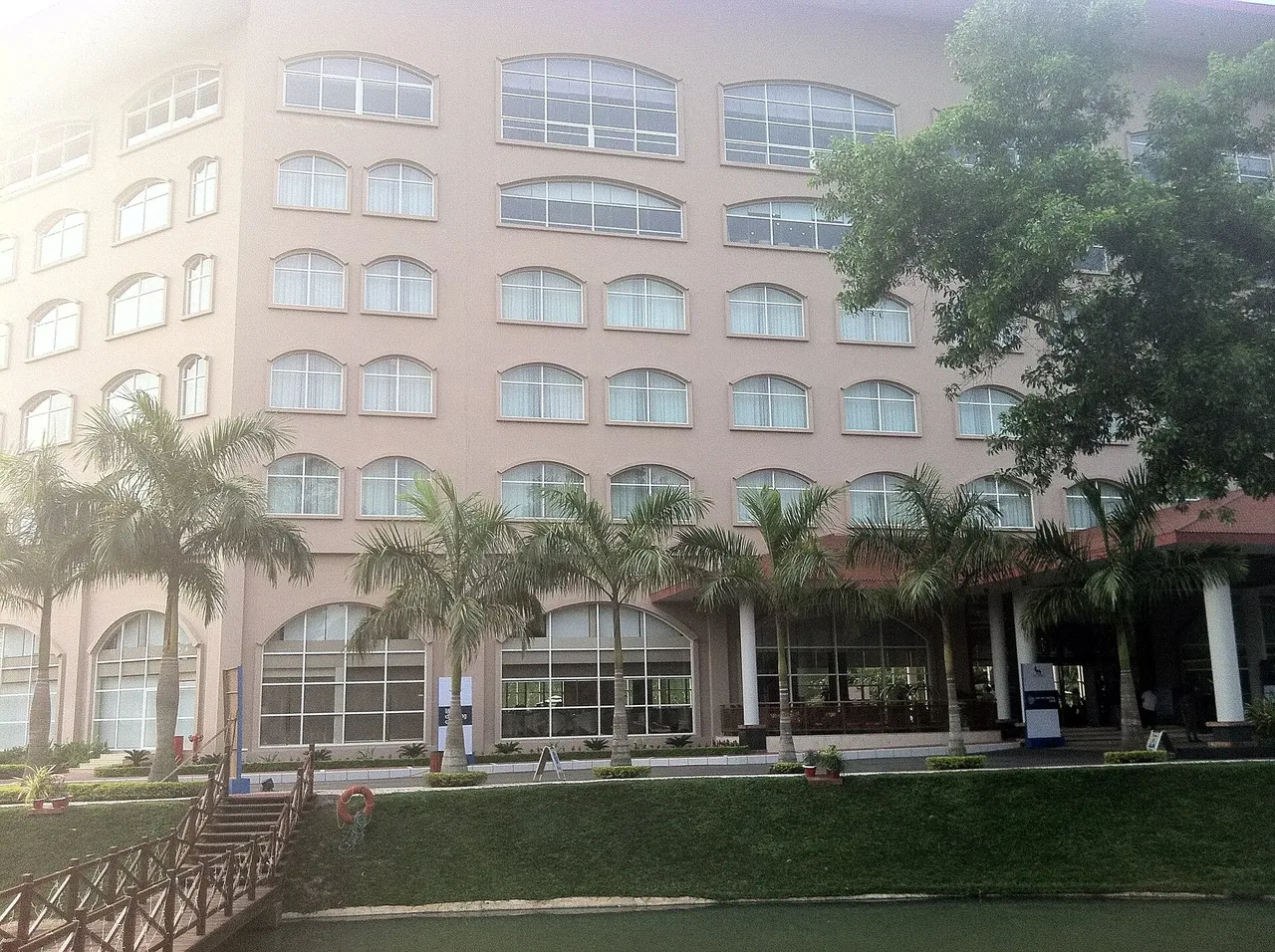
| Grand Sultan Tea Resort & Golf | Sreemangal, Moulvibazar | Large, full-service resort that describes itself as five-star | Temperature-controlled pool, spa, gym, 44-seat cinema, golf | Families, groups, conferences, golfers |
| The Palace Luxury Resort | Putijuri, Bahubal, Habiganj | Tower rooms and villas around a lake and landscaped hills | Infinity pool, spa and sauna, several restaurants, helipad | Couples, honeymoons, special occasions |
| DuSai Resort & Spa | Srimangal Road, Moulvibazar | Boutique resort in tea country | Spa, bar, gym, helipad, chauffeur service | Couples, wellness weekends |
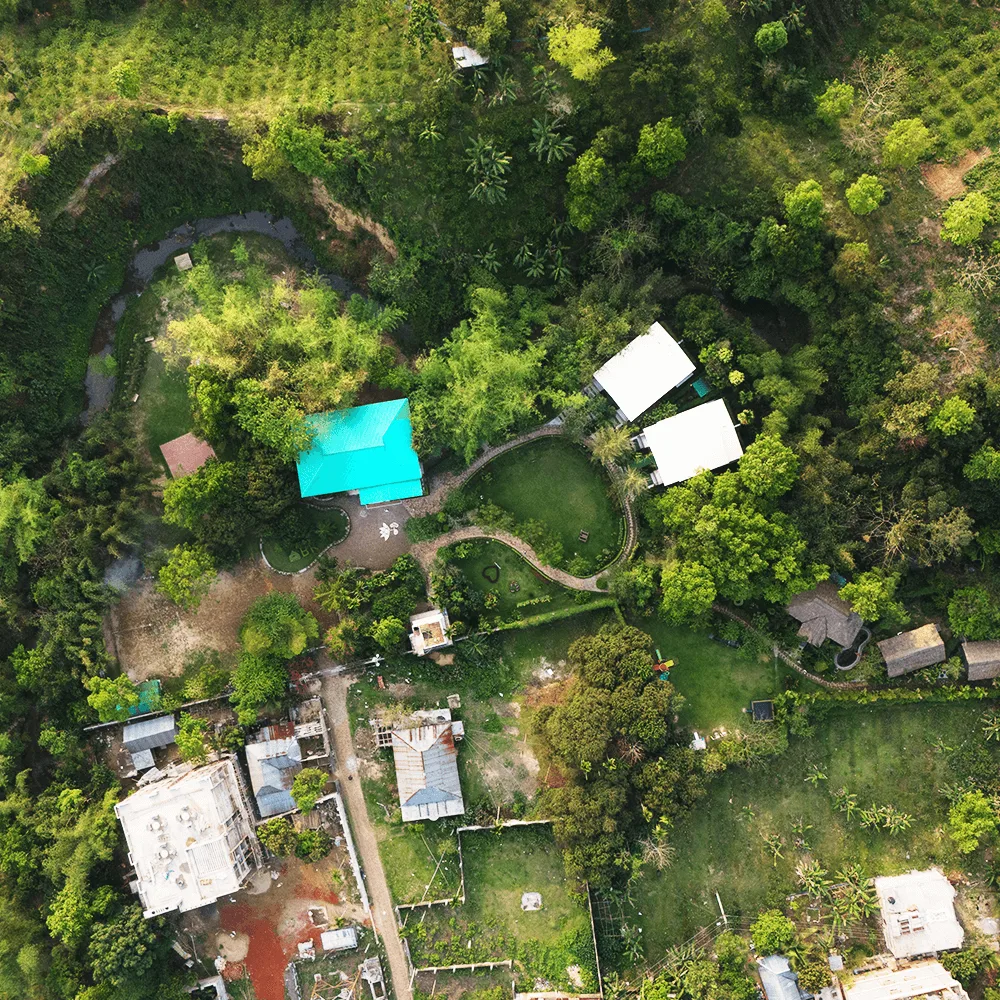
| Balishira Resort | Radhanagar, Sreemangal | Villas and cottages beside a forest stream | Couple villas with private pools, kids' play zone | Couples, small families |
| Nazimgarh | Sylhet city and Lalakhal | Hillside garden retreat in the city; riverside stays at Lalakhal | Landscaped grounds; riverside café, swimming and boating at Lalakhal | Sylhet sightseeing, river views |
- Grand Sultan sits among tea gardens around four hours' drive from Dhaka, with more than 130 rooms and suites in eight categories and an amoeba-shaped, temperature-controlled pool. It is the natural choice for families, groups and corporate retreats that want everything on site.
- The Palace, at Putijuri in Bahubal upazila on the Habiganj–Sreemangal border, combines a tower of rooms with one- to three-bedroom and presidential villas, an infinity pool and a spa, and a 2020 report described it as five-star certified. Book a villa if privacy matters.
- DuSai, at Niteshwar near Moulvibazar town, is a smaller boutique alternative about 20 minutes from Srimangal station and 90 minutes from Sylhet airport. It offers pickups and a chauffeur service, so it is an easy base without your own driver.
- Balishira, at Radhanagar on the edge of Sreemangal, has stream-side cottages and villas, couple villas with private pools, the Nature View Restaurant and sightseeing trips to Lawachara and Madhabkunda waterfall.
- Nazimgarh has a garden retreat on six acres of landscaped hillside in Sylhet city, heritage homes in town and riverside stays at Lalakhal. Split your Sylhet nights between the two if you want both sightseeing and scenery, or compare more hotels in Sylhet.
Insider tip: Many resorts in Bangladesh quote rates before VAT and service charge, and inclusions vary widely. Check whether breakfast, pool and spa access, and station or airport transfers are included before you compare prices.
Getting there
| Option | Route | Time | Good to know |
|---|---|---|---|
| Train | Dhaka (Kamalapur or Airport station) to Srimangal and Sylhet on the Parabat, Jayantika, Kalni or Upaban expresses | About 6¾–7 hours to Sylhet; Srimangal comes earlier on the line | Register with your passport on Bangladesh Railway's e-ticketing service or the Rail Sheba app, and carry your passport on board |
| Air | Dhaka to Osmani International Airport (ZYL), Sylhet | A short domestic flight | Biman, NOVOAIR, Air Astra and US-Bangla have all served the route; check current schedules |
| Road | Dhaka to Sreemangal, about 190 km | Around four hours, traffic permitting | Hire a car with a driver and avoid driving after dark |
The train is the classic way in, with rice fields giving way to tea hills, but timetables change, so check current departures before you book. Biman also lists London Heathrow and Manchester among its Sylhet routes. If you plan to enter Bangladesh at Sylhet, get your visa before you travel: the official visa-on-arrival guidance names Dhaka's Hazrat Shahjalal International Airport, so do not count on a visa on arrival elsewhere. Our Bangladesh visa guide and Dhaka airport guide explain the options.
When to go
| Season | Months | What's good | Watch out for |
|---|---|---|---|
| Cool, dry season | November–February | Comfortable walking in the estates and Lawachara; migratory birds on Tanguar Haor | Ratargul and Bisnakandi lose most of their water; winter mining traffic at Bisnakandi |
| Pre-monsoon | March–May | Generally quieter than the cool-season peak | Heat and humidity build; the UK government warns that pre-monsoon flooding risk is higher in north-east Bangladesh, including Sylhet |
| Monsoon | June–September | Ratargul flooded, Tanguar Haor at full water, Bisnakandi at its best, tea country at its greenest | Flash floods and landslides can cut roads and railways; boat trips can be rough |
| Early autumn | October | Water still high in Ratargul into early October, with drier days | Weather is changeable, so keep plans flexible |
For festivals and how tea country compares with the coast and the Sundarbans, see our guide to the best time to visit Bangladesh.
A four-day tea country itinerary
- Day 1 — Dhaka to Sreemangal. Take a morning train or an early car and check in by lunchtime. Walk a tea estate in the afternoon, then stop for seven-layer tea.
- Day 2 — Lawachara and Madhabpur. Walk Lawachara at first light with a guide, rest through the heat of the day and drive to Madhabpur Lake for the late afternoon.
- Day 3 — North to Sylhet. Visit the shrines of Shah Jalal and Shah Paran and finish at Malnicherra tea estate. Overnight in Sylhet city.
- Day 4 — Rivers and forest. In the monsoon, take a boat through Ratargul and continue to Bisnakandi via Hadarpar; in the dry season, drive the Tamabil road to Lalakhal and Jaflong. Fly back to Dhaka, or stay a final night at Lalakhal.
- Optional Day 5. In the monsoon, head to Sunamganj for a boat or houseboat trip on Tanguar Haor, or drive to Madhabkunda, one of the highest waterfalls in Bangladesh, in Barlekha upazila.
Practical notes and safety
- Floods: the UK government reports that flash floods and landslides have affected Sylhet. Follow local forecasts, keep a spare day and ask your resort about road conditions before long drives.
- Airports and roads: the UK government warns of theft, touts and taxi overcharging at Dhaka and Sylhet airports, and says driving at night is especially dangerous. Pre-book transfers and travel in daylight.
- Earthquakes: Moulvibazar and Sylhet are in a high earthquake-risk zone; note the emergency exits when you check in.
- Respect: dress modestly, especially at shrines and in villages, and ask before photographing tea workers or indigenous communities.
- Overall advice: the UK government's warning against all but essential travel applies to the Chittagong Hill Tracts, not to Sylhet Division. For the full picture, read is Bangladesh safe for tourists?
Next steps
Tea country rewards travellers who slow down: two quiet nights among the estates, a dawn walk in Lawachara and one big river day from Sylhet make a satisfying first trip.
- Compare resorts in Moulvibazar and Sreemangal, Habiganj and Sylhet.
- Read our guides to Moulvibazar and Sylhet, and browse places to visit in Sylhet.
- Planning a romantic trip? See our Bangladesh honeymoon guide. Only have a weekend? Try luxury resorts near Dhaka.
- New to the country? Start with our Bangladesh travel guide, and see how we rate hotels.
Good to know
Frequently asked questions
How many days do you need for Sreemangal and Sylhet?
What is the best time to visit Sreemangal and Sylhet?
How do I get from Dhaka to Sreemangal?
Which is the best luxury resort in Sreemangal?
Can you see hoolock gibbons at Lawachara National Park?
Is Sylhet safe for tourists?
Sources we checked (40)
- https://en.wikipedia.org/wiki/Sreemangal_Upazila
- https://beautifulbangladesh.gov.bd/district-destination/moulvibazar/green-zone/24
- https://btabd.com/overview
- https://en.banglapedia.org/index.php/Tea_Industry
- https://en.wikipedia.org/wiki/Bangladesh_Tea_Research_Institute
- https://en.wikipedia.org/wiki/Lawachara_National_Park
- https://beautifulbangladesh.gov.bd/district-destination/moulvibazar/green-zone/23
- https://en.wikipedia.org/wiki/Western_hoolock_gibbon
- https://www.dhakatribune.com/bangladesh/351105/visitors-outraged-as-entry-fees-raised-fivefold
- https://www.thedailystar.net/in-focus/news/when-hollywood-came-calling-1656130
- https://beautifulbangladesh.gov.bd/district-destination/moulvibazar/land-of-rivers/132
- https://www.thedailystar.net/slow-reads/unheard-voices/news/baikka-beels-silent-collapse-4099796
- https://www.thedailystar.net/opinion/editorial/news/save-baikka-beel-it-too-late-4101576
- https://en.wikipedia.org/wiki/Seven-color_tea
- https://en.wikipedia.org/wiki/Shah_Jalal
- https://beautifulbangladesh.gov.bd/district-destination/sylhet/landmarks/126
- https://en.wikipedia.org/wiki/Malnicherra_Tea_Estate
- https://en.wikipedia.org/wiki/Ratargul_Swamp_Forest
- https://beautifulbangladesh.gov.bd/district-destination/sylhet/green-zone/25
- https://en.wikipedia.org/wiki/Jaflong
- https://beautifulbangladesh.gov.bd/district-destination/sylhet/hill-tracts-waterfalls/95
- https://en.wikipedia.org/wiki/Lalakhal
- https://en.wikipedia.org/wiki/Tanguar_Haor
- https://beautifulbangladesh.gov.bd/district-destination/sunamganj/land-of-rivers/121
- https://beautifulbangladesh.gov.bd/district-destination/moulvibazar/hill-tracts-waterfalls/120
- https://grandsultanresort.com/
- https://beautifulbangladesh.gov.bd/district-destination/moulvibazar/luxury/48
- https://www.tbsnews.net/node/156022
- https://boutiquehotelawards.com/hotels/dusai-resort-spa
- https://www.balishiraresort.com/
- https://www.nazimgarh.com/
- https://en.wikipedia.org/wiki/Osmani_International_Airport
- https://en.wikipedia.org/wiki/Parabat_Express
- https://en.wikipedia.org/wiki/Upaban_Express
- https://www.dhakatribune.com/bangladesh/348152/how-to-easily-buy-advance-train-tickets-online
- https://voa.specialbranch.gov.bd/public/voa-info.html
- https://voa.specialbranch.gov.bd/public/voa-instructions.html
- https://www.gov.uk/foreign-travel-advice/bangladesh
- https://www.gov.uk/foreign-travel-advice/bangladesh/safety-and-security
- https://www.gov.uk/foreign-travel-advice/bangladesh/regional-risks
Rules, prices and timings change — we date our checks and update guides regularly. Spot something out of date? Tell our editors.