Sundarbans Luxury Tour Guide: Cruises, Permits and When to Go
How to see the Sundarbans in comfort: day trips versus liveaboard cruises, Forest Department permits and rules, the best season, realistic wildlife and getting to Khulna.
By Luxury Bangladesh editors 10 min read
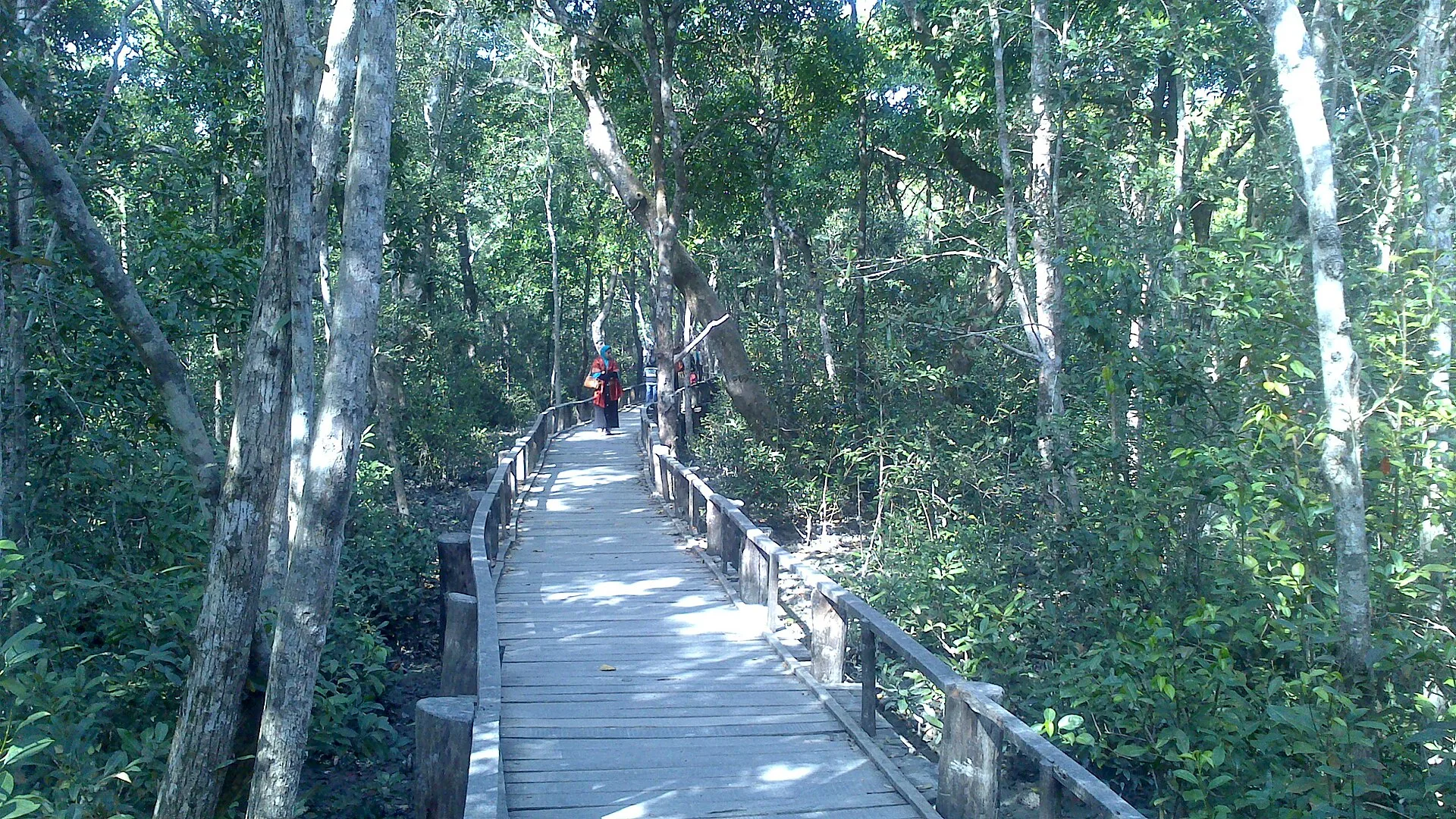 Photo: Shohelrana1979 / CC BY-SA 4.0
The Sundarbans, the vast mangrove forest on Bangladesh's south-west coast, can only be visited by boat, with a licensed operator and Forest Department permission. For a comfortable trip, book a multi-day cruise from Khulna or Mongla between November and February, choose a vessel with the cabin and bathroom standard you need, and travel with honest expectations: the Bengal tiger lives here, but you are far more likely to see deer, crocodiles, dolphins and birds. The forest closes to all visitors from 1 June to 31 August every year.
Facts checked October 2026. Rules change — confirm on the official sources linked below before you travel.
The Sundarbans in brief
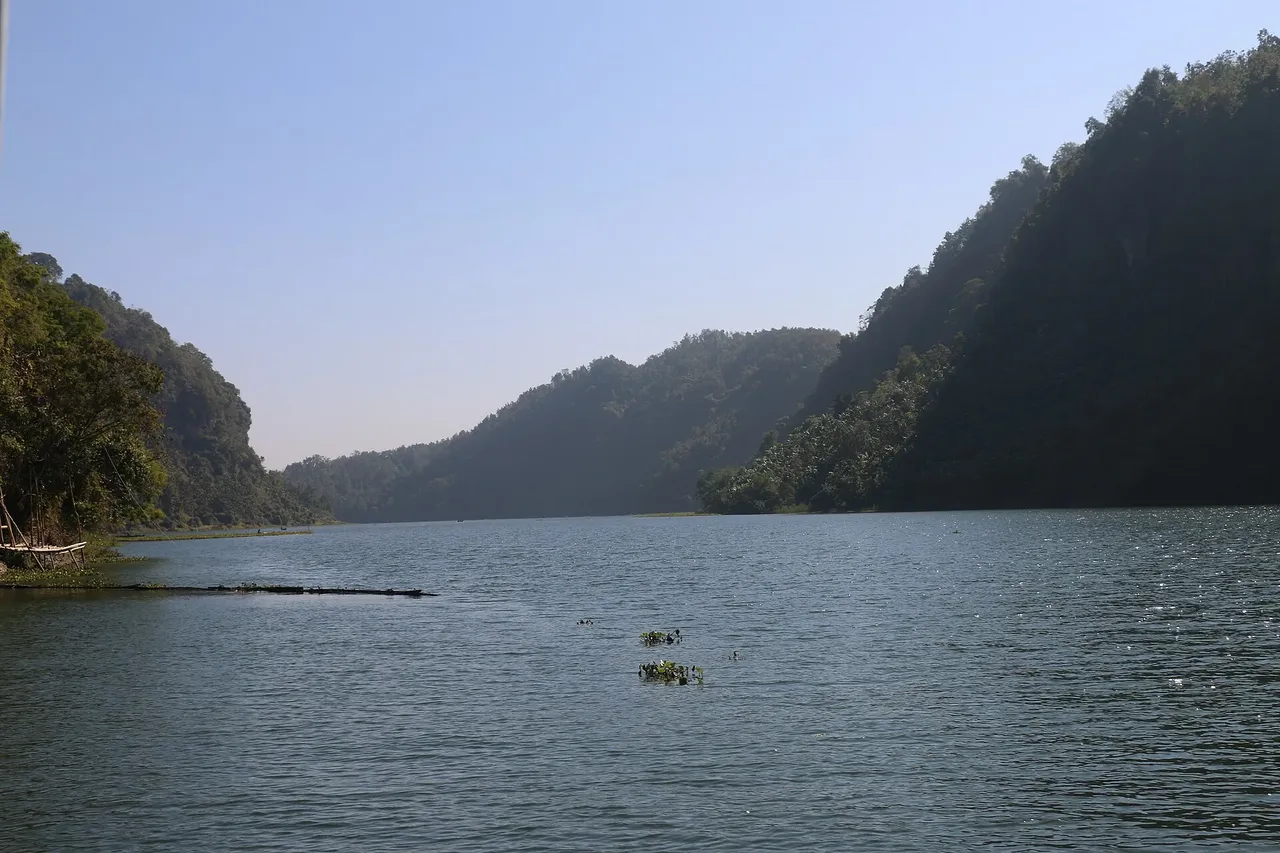
- What it is: the world's largest mangrove forest, shared with India, on the delta of the Ganges, Brahmaputra and Meghna rivers. It is a maze of tidal channels, mudflats and small islands, which is why the only way in is by water.
- World Heritage: "The Sundarbans" in Bangladesh was inscribed by UNESCO in 1997 for its natural value. The protected core is three wildlife sanctuaries in the south, covering about 140,000 hectares, next to India's Sundarbans World Heritage site, inscribed in 1987.
- Where you start: Khulna and the port of Mongla are the main gateways. The Satkhira side, at Burigoalini and Munshiganj, is the gateway to the western forest.
- When it's closed: 1 June to 31 August, every year.
How visiting works: permits, operators and the rules
Permits and fees
Every visit needs permission from the Forest Department. Under its eco-tourism rules, visitors apply on the prescribed form at least three days before the trip, present themselves with their vessel at the forest station named on the permit, pay the forest revenue there and hand the pass back at the end. Entering a wildlife sanctuary costs an additional fee, and staying longer than permitted needs fresh approval and extra fees.
On a cruise, your operator does all of this for you. The fees depend on your visitor category, the spots you visit and the number of days, so ask for an itemised quote that shows forest fees, guard fees and VAT separately from the cruise price.
One-day tickets online
The Forest Department's Eco-Tourism Sundarban portal sells one-day tickets. You pick a starting point (Mongla, Khulna, or Burigoalini/Munshiganj in Satkhira), a spot and one of two entry slots, 9am to 1pm or 1pm to 5pm, then hire a boat from a listed operator.
Choosing an operator
The same portal lists registered tour operators and vessels, with each boat's crew size and passenger capacity. Before you pay anyone, check that both the operator and the named vessel appear there. The rules also set minimum standards for every tourist vessel:
- at least one trained tour guide on board, and at least two for groups of more than 40;
- first aid, fire-fighting equipment, life jackets and other life-saving gear for the number of passengers;
- a small boat or speedboat for transfers and for exploring narrow creeks;
- a separate cabin for the security guards appointed by the Forest Department, which guests may not enter.
Rules you will notice on board
- Quiet nights: generators must be switched off after 10pm, and operators are encouraged to use solar power.
- Group size: overnight, a vessel may carry no more than 75 tourists, or fewer if its licensed night capacity is lower.
- No red meat: live cattle, goats, buffalo or sheep, and red meat, may not be carried without prior permission.
- Stay out of the water: visitors must not enter the sea, rivers or canals, bathe or swim.
- Stay with the group: no wandering alone, no straying from the permitted route, no litter and nothing that frightens wildlife. Follow the guards' instructions.
Insider tip: Before you book, ask for the vessel's name and check it on the Forest Department portal. Then ask three things in writing: are the cabins en-suite, how many hours a day does the generator run, and how many passengers will be on your departure?
Day trip or cruise? Comparing the options
| Format | How long | Starts from | Where it goes | Where you sleep | Best for |
|---|---|---|---|---|---|
| One-day trip | A morning or afternoon entry slot | Mongla, Khulna or Burigoalini/Munshiganj | Karamjal and Harbaria from Mongla; Dobeki and Kalagachia from the Satkhira side; Kalabogi from Khulna | A hotel in Khulna or Mongla | A first taste when you are short of time |
| Shared overnight cruise | Mostly three days and two nights | Khulna or Mongla | Southern spots such as Katka, Kochikhali, Dublar Char and Hiron Point | A cabin on board | Most first-time visitors |
| Private charter | To your plan, within permit limits | Khulna or Mongla | As above, at your own pace | Your own vessel | Families, photographers and couples who want privacy |
The one-day option is real but limited: you see the edge of the forest, not its heart. Most overnight packages listed on the Forest Department portal run for three days and two nights, with some longer trips, and that is the format we recommend for a first visit.
What makes a cruise feel premium
"Luxury" is used loosely on the Sundarbans, so compare boats on the details that change your experience:
- Bathrooms. Some vessels have shared bathrooms. Bengal Tours' M.V. Bhela, for example, lists 11 cabins, with four toilets and two showers at the back of the main deck. If you want your own bathroom, get it confirmed in writing.
- Power and cooling. The Bhela runs its generator for three hours after sunset and uses battery-backed lighting otherwise, and the Forest Department's rules require generators to be off after 10pm. If air-conditioning matters to you, ask how cabins are cooled when the generator is off.
- Group size. A vessel licensed for 75 guests feels very different from one carrying a dozen. Smaller groups mean quieter decks and fewer people on each creek trip.
- Creek boats. The best moments usually happen in narrow channels, in the small boat. Ask how many guests go out in each one.
- Food. Expect mainly Bangladeshi cooking, and don't expect beef or mutton: red meat can't be carried without prior permission.
The places you will visit
The Forest Department runs seven main eco-tourism spots: Karamjal, Harbaria, Katka, Kochikhali, Dublar Char, Hiron Point and Kalagachia.
- Karamjal: a ranger station that serves as a deer-breeding centre, and the first stop on the Mongla route.
- Harbaria: the next stop on the Mongla route, in tiger country, with spotted deer and birds.
- Katka (also spelled Kotka): a base for safaris, described by the Forest Department as a good place to look for tigers and to watch birds.
- Kochikhali: known for deer, snakes, crocodiles and colourful birds.
- Dublar Char: a seasonal fishing island on the southern edge of the forest. From October to March, thousands of fishermen camp here and dry their catch, and a three-day Raas Mela fair is held in November, around Raas Purnima.
- Hiron Point (Nilkamal): in the far south, noted by the Forest Department for tigers and other rare wildlife.
- Kalagachia: on the Satkhira side, reached from Burigoalini or Munshiganj via Dobeki.
Wildlife: what you will really see
UNESCO describes the Sundarbans as home to a significant population of Royal Bengal tigers, but the forest is dense and tidal, and sightings are rare. Treat a tiger as a bonus, look for pugmarks in the mud of the riverbanks, and enjoy everything else:
- Spotted deer are common, with an estimated 30,000 in the forest, along with monkeys and wild boar.
- Saltwater crocodiles bask on the mudbanks.
- Ganges and Irrawaddy dolphins surface in the wider channels.
- Birds: UNESCO counts about 260 species. Look for kingfishers, including the brown-winged kingfisher, a mangrove specialist of the Bay of Bengal coast, and the critically endangered masked finfoot, which occurs here in globally important numbers.
- Elusive and rare: the fishing cat, the Indian python and the critically endangered river terrapin.
Insider tip: Bring good binoculars and get on deck early. Mornings are the best time to spot wildlife, and a quiet country-boat trip into a side creek at first light can be the highlight of the whole trip.
When to go
- November to February, the dry winter months, is the best time to visit.
- 1 June to 31 August the forest is closed to everyone, including tourists, fishers and honey collectors, to protect the breeding season. The rule applied again in 2026, with no passes or permits issued during the closure.
- September and October: the forest reopens after the closure. Note that the Bay of Bengal's post-monsoon cyclone season runs from October to December and peaks in November, so keep an eye on weather warnings.
- March to May is hotter, and the pre-monsoon cyclone season peaks in May.
- The Raas Mela at Dublar Char in November draws large crowds; it is worth seeing, but book early.
Our best time to visit Bangladesh guide covers the seasons around the country.
Getting to Khulna and Mongla
- By train: since 24 December 2024, the Jahanabad Express has run between Dhaka and Khulna via the Padma Bridge in about 3 hours 45 minutes. The Sundarban Express also crosses the bridge and takes about 7 hours 30 minutes on average.
- By road: the Padma Bridge, opened in June 2022, put Khulna and the south-west within easy reach of Dhaka by road. A private car with a driver is the comfortable option; travel in daylight.
- By air: Jashore Airport, the only operating airport in Khulna Division, has around seven daily flights to Dhaka with Biman, NOVOAIR and US-Bangla. From Jashore you continue to Khulna by road. Khulna's own airport is still under construction.
- To Mongla: the port is about 48 km south of Khulna and is a gateway for tourist ships heading into the forest.
Arriving from abroad? Our Dhaka airport guide covers immigration and onward connections.
Where to stay before and after
Check where your cruise boards, in Khulna or Mongla, then plan a night in Khulna on either side if your travel times are tight. Two business hotels on KDA Avenue are convenient bases:
- Hotel Castle Salam describes itself as a 100-room business boutique hotel, with a rooftop infinity pool for guests and members, several restaurants and a fitness centre.
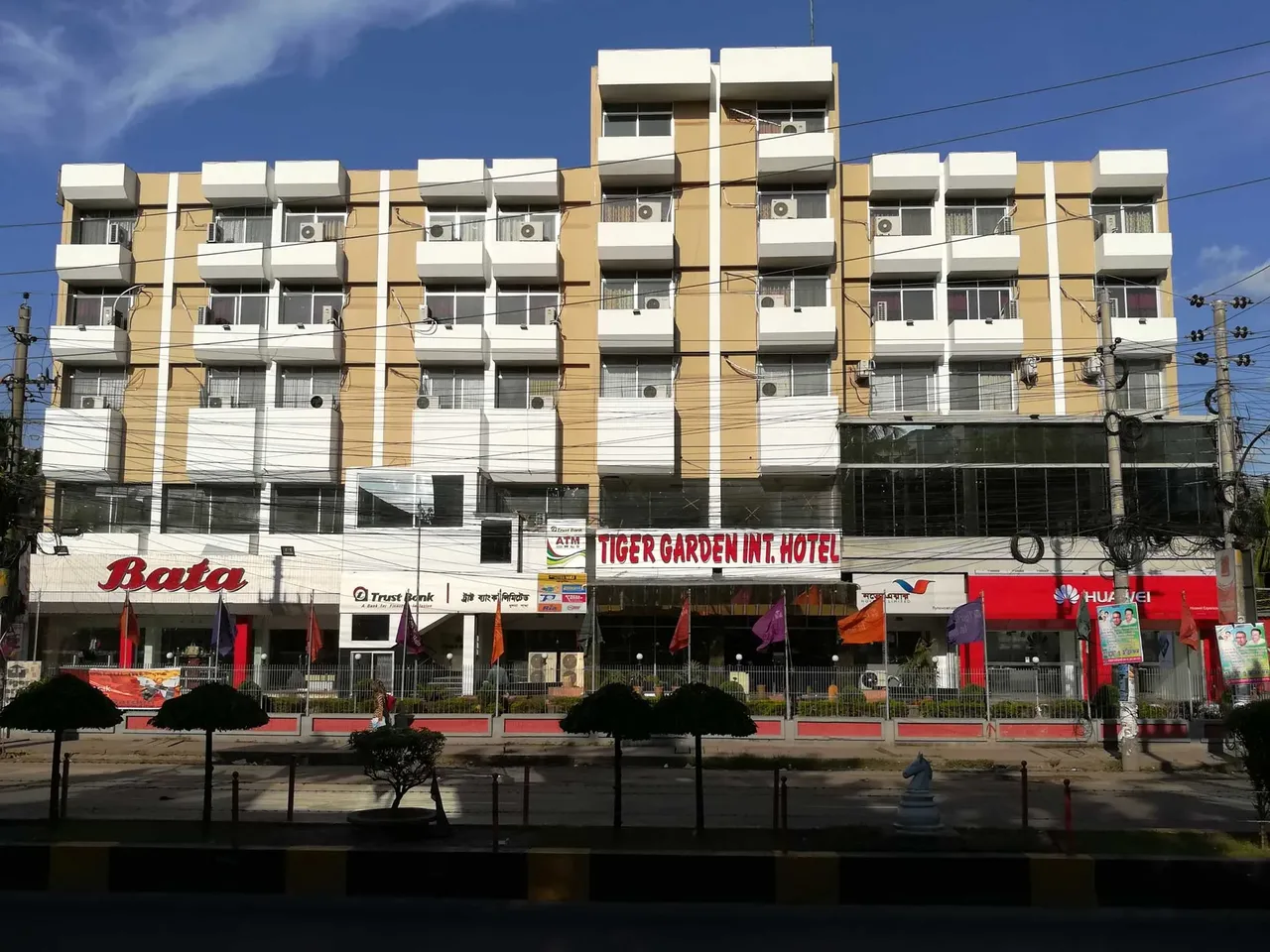
- Tiger Garden International Hotel, at Shib Bari More, has a health club with a sauna and steam bath and a free business centre.
Browse all hotels in Khulna for live rates and our review analysis.
Add Bagerhat's Mosque City
Bagerhat, the district that includes Mongla, is home to a second UNESCO site: the Historic Mosque City of Bagerhat, inscribed in 1985. The ancient city, once called Khalifatabad, was founded in the 15th century by the general Ulugh Khan Jahan, and it holds an exceptional number of early Islamic monuments, many built of brick. Its centrepiece, the Sixty Dome Mosque, was built between 1442 and 1459, and its prayer hall stands on 60 stone columns. It lies about 4.8 km from central Bagerhat town; ask your operator to add a visit on the day before or after your cruise. See our Bagerhat guide and places to visit in Bagerhat.
Insider tip: Visit the mosque in the morning, before the heat builds. Dress modestly, with shoulders and legs covered, and take your shoes off before you enter the prayer hall.
Life on board: what to expect and what to pack
Connectivity and power
Assume you will be offline for long stretches once you are deep in the forest: download maps, books and music before you board, and tell people at home when to expect you back. Charging depends on the generator, so bring a power bank and charge whenever the generator is on.
Safety
Forest Department security guards travel with you, and shore walks happen only with your guide and guards. Wear a life jacket in the small boats, never wander off alone, and follow the guards' instructions at landings and on trails. Tides and weather set the timetable, so the plan may change at short notice.
What to pack
- binoculars and a camera with a zoom lens, plus a dry bag;
- long sleeves and trousers in muted colours, a hat and sunscreen;
- insect repellent and a small torch;
- closed shoes you don't mind getting muddy at the jetties;
- a warm layer for early mornings on deck in winter;
- any medicines you need, as there are no shops in the forest.
Skip the perfume: Bengal Tours asks guests not to wear it in the forest, and to keep quiet between 9pm and 6am.
Next steps
- Read our guide to the Sundarbans as a place to visit, then the Khulna, Bagerhat and Satkhira destination guides.
- Compare hotels in Khulna for the nights before and after your cruise.
- Build a longer trip: pair the mangroves with the beach in our Cox's Bazar guide or with tea country in our Sreemangal and Sylhet guide.
- Travelling as a couple? See our Bangladesh honeymoon guide.
- First time in the country? Start with the Bangladesh travel guide, the visa guide and our honest look at whether Bangladesh is safe for tourists.
We choose and rank properties independently; see how we rate.
Good to know
Frequently asked questions
Do you need a permit to visit the Sundarbans?
When is the Sundarbans closed to tourists?
Will I see a Bengal tiger in the Sundarbans?
How many days do you need for a Sundarbans trip?
Can you swim in the Sundarbans?
How do you get from Dhaka to Khulna?
Sources we checked (25)
- https://whc.unesco.org/en/list/798/
- https://whc.unesco.org/en/list/321/
- https://en.wikipedia.org/wiki/Sundarbans
- https://en.wikivoyage.org/wiki/Sundarbans
- https://sundarbantourism.bforest.gov.bd/en
- https://sundarbantourism.bforest.gov.bd/en/content/page/about-eco-tourism-in-sundarbans
- https://sundarbantourism.bforest.gov.bd/en/content/page/eco-tourism-dos-and-donts
- https://sundarbantourism.bforest.gov.bd/en/one-day-tour-ticket
- https://sundarbantourism.bforest.gov.bd/en/spots
- https://sundarbantourism.bforest.gov.bd/en/operators
- https://sundarbantourism.bforest.gov.bd/en/vessels
- https://sundarbantourism.bforest.gov.bd/en/packages?filter=overnight
- https://www.dhakatribune.com/bangladesh/411422/govt-imposes-3-month-ban-from-june-1-on-visitor%E2%80%99s
- https://www.bengaltours.com/destinations/sundarban-with-cruise-ship-m-v-bhela/
- https://en.wikipedia.org/wiki/Dublar_Char
- https://en.wikipedia.org/wiki/Brown-winged_kingfisher
- https://en.wikipedia.org/wiki/North_Indian_Ocean_tropical_cyclone
- https://en.wikipedia.org/wiki/Padma_Bridge
- https://en.wikipedia.org/wiki/Jahanabad_Express
- https://en.wikipedia.org/wiki/Sundarban_Express
- https://en.wikipedia.org/wiki/Jashore_Airport
- https://en.wikipedia.org/wiki/Port_of_Mongla
- https://en.wikipedia.org/wiki/Sixty_Dome_Mosque
- https://www.hotelcastlesalam.com/
- https://tigergardenhotel.com/
Rules, prices and timings change — we date our checks and update guides regularly. Spot something out of date? Tell our editors.